
Test the Functionality of a Prototype PCB Assembly
In the PCB industry, prototypes are used to verify the functionality of a product and mitigate risks during large-scale production. They’re often the first step in a manufacturing process and help to reduce costly errors during mass production. They’re also an excellent way to test a design and identify areas that may need improvements, such as components, layouts, and signal paths.
The most common type of prototype assembly is a visual model. These models are usually inexpensive and exhibit the basic structure of a finished product without replicating its full capabilities. A proof-of-concept model is the next step up in complexity from a visual prototype. It’s designed to show the viability of a product’s core functionality by using simpler materials to keep costs low. A working prototype is a more accurate representation of the final product that’s built to be tested for functionality.
Once a working prototype passes electrical tests, it’s time to test for functionalities in the end-user environment. This testing can be very specific and include things like IP rating tests, drop tests, water resistance tests, voltage surge tests, electromagnetic interference (EMI) tests, radio-frequency interferance (RFI) tests, and more. Depending on the PCB and its intended use, some unique tests can be performed as well.
During the prototype pcb assembly phase, various quality control measures are put in place to ensure that a final product meets high standards. These measures may include IPC certification, component expertise, process controls, assembly checks, inspection and test, and functional workspace. Some of these measures can be easily measured and quantified such as AOI and X-ray inspection.
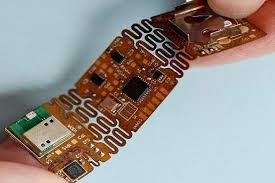
How Do You Test the Functionality of a Prototype PCB Assembly?
These quality control measures are crucial for ensuring that the final product is functional and durable. The best PCB prototypes are made with high-quality materials, and the processes used to manufacture them must be robust enough to withstand rigorous tests. This is why choosing a trusted PCB manufacturer with a strong reputation is important.
A functional test can be as simple as an on/off power test or as in-depth as a more detailed analysis using testing software. This process verifies that the device works properly and executes the code correctly. However, it’s important to note that a mistake in the code can cause the device to work incorrectly, even if the electrical design is correct.
The cost of PCB prototype assembly varies widely, based on the bill of materials, parts availability, and assembler capacity. It’s also essential to choose a reliable assembler with fast turnarounds so that revisions can be accommodated quickly. It’s also important to consider how much time and effort will be needed for testing, quality assurance, and conformance verification. This will affect overall costs as the process can require significant labor efforts. Ultimately, choosing the right assembler for your PCB prototype assembly project will save you money in the long run by reducing the risk of costly mistakes in mass production.