
flex circuit manufacturers ensure product quality
Ensuring product quality is a critical aspect of flex circuit manufacturing, as these components are often used in highly sensitive applications such as medical devices, aerospace technology, and consumer electronics. Flex circuits are intricate and delicate, requiring careful handling, precise manufacturing processes, and rigorous quality control to ensure they meet the necessary standards for durability, performance, and reliability. Flex circuit manufacturers employ a range of strategies and techniques to ensure the quality of their products, from the selection of raw materials to the final testing and inspection stages.
One of the first steps in ensuring product quality begins with the careful selection of materials. Manufacturers choose high-quality substrates, conductive copper, and adhesives that are suited for the intended application of the flex circuit. For example, polyimide is commonly selected for its excellent thermal and mechanical properties, while copper foil is chosen for its electrical conductivity. Quality raw materials are essential for preventing defects, such as delamination, poor conductivity, or excessive flexing, which could compromise the circuit’s performance. By using only the best materials, manufacturers set the foundation for producing a high-quality end product.
The design phase also plays a vital role in ensuring the circuit’s quality. Skilled engineers and designers work closely with the client to understand the specific needs of the project and develop a detailed design that aligns with these requirements. During this phase, the manufacturer conducts simulations to test the proposed design, ensuring that it will perform under real-world conditions. This includes evaluating the circuit’s mechanical flexibility, electrical conductivity, and environmental tolerance. The manufacturer also ensures that the circuit layout minimizes the risk of defects and improves manufacturability.
How do flex circuit manufacturers ensure product quality?
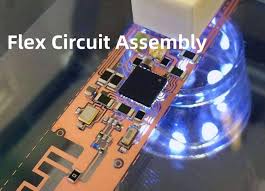
Once the design is finalized, the manufacturing process itself becomes the next crucial factor in maintaining product quality. flex circuit manufacturer use state-of-the-art machinery to fabricate and assemble the circuits with high precision. The process typically involves applying copper foil onto a flexible substrate, followed by photolithography to create the intricate circuit patterns. After the copper is etched to form the desired design, the manufacturer uses various bonding and lamination techniques to secure the circuit’s components and ensure electrical stability. Throughout this process, manufacturers rely on automated systems to control the consistency of parameters such as temperature, pressure, and timing, which are critical to producing circuits that are free from defects.
Quality control during the production phase involves strict monitoring and testing at every stage. One of the most common quality control measures is the use of automated optical inspection (AOI), which allows manufacturers to detect issues such as misalignments, defects in the copper traces, or incorrect component placements. AOI technology uses high-resolution cameras and algorithms to analyze the circuit for any anomalies, ensuring that they meet the required specifications. In addition to optical inspections, manufacturers often employ electrical testing to ensure that the circuit functions properly. This can include continuity testing to verify that electrical paths are intact and impedance testing to ensure that the circuit is operating within the required resistance levels.
After the circuits are assembled, they undergo more extensive testing, including mechanical testing and environmental testing. Mechanical testing ensures that the circuit can withstand repeated bending and flexing without damaging the conductive pathways. This is particularly important for flex circuits, as their primary advantage is their ability to bend and flex without breaking. Environmental testing may include exposure to extreme temperatures, humidity, and chemicals to verify that the circuit can perform reliably in harsh conditions. Flex circuits are also subject to rigorous durability testing, including stress testing and accelerated aging tests, to ensure their long-term reliability.
Finally, manufacturers ensure product quality by adhering to industry standards and certifications, such as ISO 9001 for quality management systems and IPC-2223 for standards related to flex circuit design and fabrication. These certifications require manufacturers to implement standardized processes and procedures, which helps maintain consistency and high-quality output across all production runs. Regular audits and inspections, both internal and external, ensure that manufacturers remain compliant with these standards.
In conclusion, flex circuit manufacturers employ a comprehensive approach to ensure the quality of their products. From selecting high-quality materials and employing precise design processes to utilizing advanced machinery and conducting rigorous testing, these manufacturers are committed to producing flexible circuits that meet the highest standards. By adhering to stringent quality control measures, manufacturers can deliver reliable, durable, and high-performance circuits that meet the demanding needs of modern electronics and technology.