
components verified for compatibility during printed circuit board assembly
Verifying component compatibility during printed circuit board assembly (PCBA) is a crucial step in ensuring the functionality, reliability, and performance of electronic devices. Compatibility refers to the suitability of electronic components for use in a specific PCB design, considering factors such as electrical characteristics, mechanical dimensions, thermal properties, and environmental requirements. Several methods and techniques are employed to verify component compatibility throughout the PCB assembly process, from design validation to final testing.
One of the primary ways to verify component compatibility is through thorough design validation and verification before printed circuit board assembly fabrication. During the design phase, engineers use computer-aided design (CAD) software to create schematics and layout PCB designs, specifying the electrical requirements and mechanical constraints of each component. Simulation tools and analysis software are then used to simulate the behavior of the PCB design under various operating conditions, ensuring that components are compatible and that the design meets performance specifications.
Furthermore, manufacturers and assembly service providers often maintain comprehensive component libraries and databases containing information about approved components, including datasheets, specifications, and compliance certificates. These libraries enable designers to select components that meet the requirements of the PCB design, including electrical ratings, package dimensions, and environmental specifications. By referencing these libraries, designers can verify component compatibility and ensure that selected components are suitable for use in the PCB assembly.
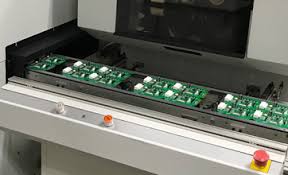
How are components verified for compatibility during printed circuit board assembly?
During the procurement process, component compatibility is further verified through rigorous inspection and qualification procedures. Suppliers and manufacturers typically conduct thorough inspections of incoming components to verify their authenticity, quality, and compliance with specifications. This may include visual inspection, dimensional measurements, electrical testing, and verification of markings and labels. Components that do not meet the required standards are rejected or returned to the supplier for replacement, ensuring that only compatible components are used in the PCB assembly process.
Additionally, manufacturers may perform compatibility testing and qualification on assembled PCBs to verify the performance and reliability of components in real-world operating conditions. This may involve functional testing, electrical testing, thermal testing, and environmental testing to evaluate the behavior of the PCB assembly under various stress factors such as temperature extremes, humidity, vibration, and electromagnetic interference (EMI). Testing procedures are designed to identify any potential issues or compatibility issues and ensure that the assembled PCB meets quality standards and performance specifications.
Moreover, advancements in automation and robotics technology are enabling more efficient and accurate verification of component compatibility during PCB assembly. Automated optical inspection (AOI) systems, for example, use machine vision technology to inspect PCB assemblies for defects, misalignment, solder defects, and component placement errors. AOI systems can quickly and accurately identify compatibility issues and ensure that assembled PCBs meet quality standards.
In conclusion, verifying component compatibility during printed circuit board assembly (PCBA) is essential for ensuring the functionality, reliability, and performance of electronic devices. Through thorough design validation, component qualification, and testing procedures, manufacturers can verify that selected components meet the requirements of the PCB design and are suitable for use in the assembly process. By leveraging advanced technologies and quality control measures, manufacturers can ensure that assembled PCBs meet or exceed customer expectations and industry standards for performance and reliability.