
underfill play in Pc board assembly
In the intricate realm of PC board assembly, underfill serves as a vital material and process step that enhances the reliability, mechanical strength, and longevity of electronic devices. Underfill is a liquid encapsulant material that is dispensed underneath surface mount components, particularly ball grid array (BGA) and chip scale package (CSP) components, to reinforce solder joints and mitigate the effects of thermal cycling and mechanical stress. In this article, we delve into the crucial role of underfill in PC board assembly and its impact on product reliability and performance.
One of the primary roles of underfill in pc board assembly is to improve the mechanical integrity and reliability of solder joints, especially in applications subject to thermal cycling, vibration, and mechanical shock. BGA and CSP components, which feature solder balls or pads beneath the package, are susceptible to mechanical stress and fatigue during thermal cycling, which can lead to solder joint cracking and failure over time. Underfill provides structural support and reinforcement to the solder joints, distributing mechanical stress more evenly and reducing the risk of solder joint failure due to thermal expansion and contraction.
Furthermore, underfill plays a crucial role in enhancing the thermal performance and reliability of electronic devices by improving heat dissipation and thermal management. By encapsulating BGA and CSP components with underfill, heat generated during operation can be efficiently transferred away from the components and dissipated through the PCB, reducing the risk of localized hot spots and thermal stress. This helps maintain stable operating temperatures, prolong component lifespan, and improve overall device reliability, especially in high-power and high-temperature applications.
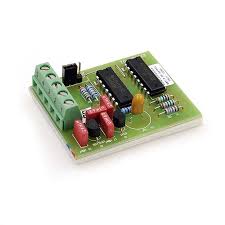
What role does underfill play in Pc board assembly?
Moreover, underfill helps prevent the formation of voids and air gaps between the component and PCB during reflow soldering, ensuring reliable electrical connections and reducing the risk of electrical opens and intermittent failures. During reflow soldering, surface tension forces can cause solder to pull away from the edges of the component pads, leaving voids and incomplete solder joints. Underfill fills these voids and encapsulates the solder joints, providing additional support and ensuring consistent electrical connections between the component and PCB.
In addition to improving mechanical and thermal reliability, underfill helps protect sensitive electronic components from environmental factors such as moisture, dust, and chemical exposure. By encapsulating BGA and CSP components with underfill, sensitive internal structures and interfaces are shielded from moisture ingress, contamination, and corrosive agents, prolonging component lifespan and ensuring long-term reliability in harsh operating environments. This is particularly crucial for electronic devices deployed in automotive, aerospace, and industrial applications where reliability is paramount.
Furthermore, underfill facilitates miniaturization and increased component density in PCB assemblies by providing additional clearance between components and reducing the risk of short circuits and electrical interference. With the trend towards smaller and more compact electronic devices, underfill enables manufacturers to pack more components onto PCBs without sacrificing reliability or performance. This enables the development of smaller, lighter, and more energy-efficient electronic devices with enhanced functionality and performance, driving innovation and advancements in electronics manufacturing.
In conclusion, underfill plays a crucial role in PC board assembly by enhancing the reliability, mechanical strength, thermal performance, and environmental durability of electronic devices. By providing structural support, improving heat dissipation, preventing voids and electrical opens, and protecting components from environmental factors, underfill ensures the long-term reliability and performance of PCB assemblies in a wide range of applications. As the demand for high-performance and reliable electronics continues to grow, the importance of underfill in PC board assembly cannot be overstated, driving advancements and innovations in electronic design and manufacturing.