
Piano Transcriptions
Piano virtuoso Franz Liszt was a generous popularizer of other composers’ music, and one way he did so was through superb piano transcriptions. Since the piano is a versatile instrument, it offers the pianist many opportunities to interpret the musical intention of an orchestral piece in ways that can bring out its expressive power. For example, a pianist might want to make sure that the entire range of dynamics are covered. Or, he or she might be inspired by the orchestral sound to use like timbres to cover off-beat passages. Adding and subtracting accents can also be important. And if the piano’s sustain pedal is used, an additional opportunity may be available to add long-sustaining notes.
Moreover, the keyboard has a wider range of keys than the orchestral instruments. This flexibility has prompted composers to change key signatures for both orchestral and piano versions of the same work, even in the case of works that are not specifically written for a particular keyboard. This was especially common for Baroque and Classical composers, who often wanted their pieces to be played on both the keyboard and a large orchestra.
The piano’s ability to evoke a variety of timbres is a major factor in its effectiveness as a tool for orchestral transcription, and that’s why it is so useful for interpreting the orchestral intentions of a work. The piano’s versatility allows the pianist to suggest a singing voice or a number of other instruments and voices, as well as to amplify or diminish the sound of specific timbres.
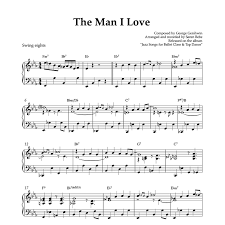
Piano Transcriptions of Orchestral Music
Another major benefit of the piano is its ability to re-distribute left-hand material, a feature that opens up a world of possibilities for orchestral transcriptions. For instance, in the Chopin prelude cited above, there is a distribution of the harp part to viola and cello. This re-distribution not only separates the chord notes, but makes it possible to introduce the slight metrical dissonance hinted at in the original, by using different doublings of the same rhythm.
Piano transcriptions represent a fascinating intersection of creativity, interpretation, and technical prowess in the world of classical music. These adaptations involve the transformation of pieces originally composed for other instruments or ensembles into solo piano arrangements, allowing pianists to explore a diverse repertoire beyond traditional piano compositions. From orchestral masterworks to vocal pieces, piano transcriptions offer a unique opportunity for pianists to delve into the rich tapestry of musical expression across different genres and styles.
One of the most notable aspects of piano transcriptions is their ability to capture the essence and spirit of the original compositions while adapting them to suit the capabilities and characteristics of the piano. Whether it’s translating the rich textures of an orchestral score or recreating the emotive nuances of a vocal piece, transcribers face the challenge of preserving the integrity of the music while harnessing the unique capabilities of the piano as a solo instrument. This process requires a deep understanding of musical structure, harmony, and instrumentation, as well as a keen sensitivity to the nuances of performance.
Piano transcriptions have a long and illustrious history, dating back to the 19th century when composers and pianists such as Franz Liszt and Ferruccio Busoni popularized the practice. Liszt, in particular, was renowned for his virtuosic transcriptions of orchestral works by composers such as Beethoven, Wagner, and Schubert, transforming these pieces into dazzling showcases of pianistic brilliance. His transcriptions not only expanded the piano repertoire but also served as vehicles for showcasing his extraordinary technical prowess and expressive depth.
A number of online sources offer free scores of a wide variety of orchestral compositions. IMSLP, the International Music Score Library Project, provides high-quality PDFs of classical music and is searchable by instrument or composer. Noviscore is another source of sheet music, offering pieces adapted for up to four levels of playing ability. There are many other free resources as well, including a great selection of works from the American Songbook and other composers.